Rapid AI progress raises fundamental questions about the distribution of power and wealth, the public oversight and accountability of AI developers, and how states pursue technological competition. The AI and Society Fellowship supports scholars in economics, law, international relations, and adjacent disciplines to engage with these and related questions.
The fellowship is a fully-funded, three-month program in which fellows work with significant autonomy — defining and pursuing their own research directions — while drawing on our internal expertise and network of partners for grounding, feedback, and collaboration. By the end of the program, fellows will produce initial results that can be further developed into a publicly shareable format, such as a journal article, blog post, or lecture series. The program will conclude with a final workshop where fellows present their research to fellow cohort members and invited external academics.
The program runs June 1 – August 21, 2026, and will take place in-person at our offices in San Francisco.
Our researchers have published papers in leading journals including Nature and top AI conferences such as NeurIPS and ICML, while our Executive Director advises on AI safety for leading organizations. Throughout the summer, fellows will have the opportunity to take part in events with researchers from CAIS and external institutions in the Bay Area. The fellowship aims to provide sustained exposure to frontier AI developments, peer communities focused on AI as a central issue, and institutional space to pivot research agendas toward AI.
Additional guest speakers will be announced soon.

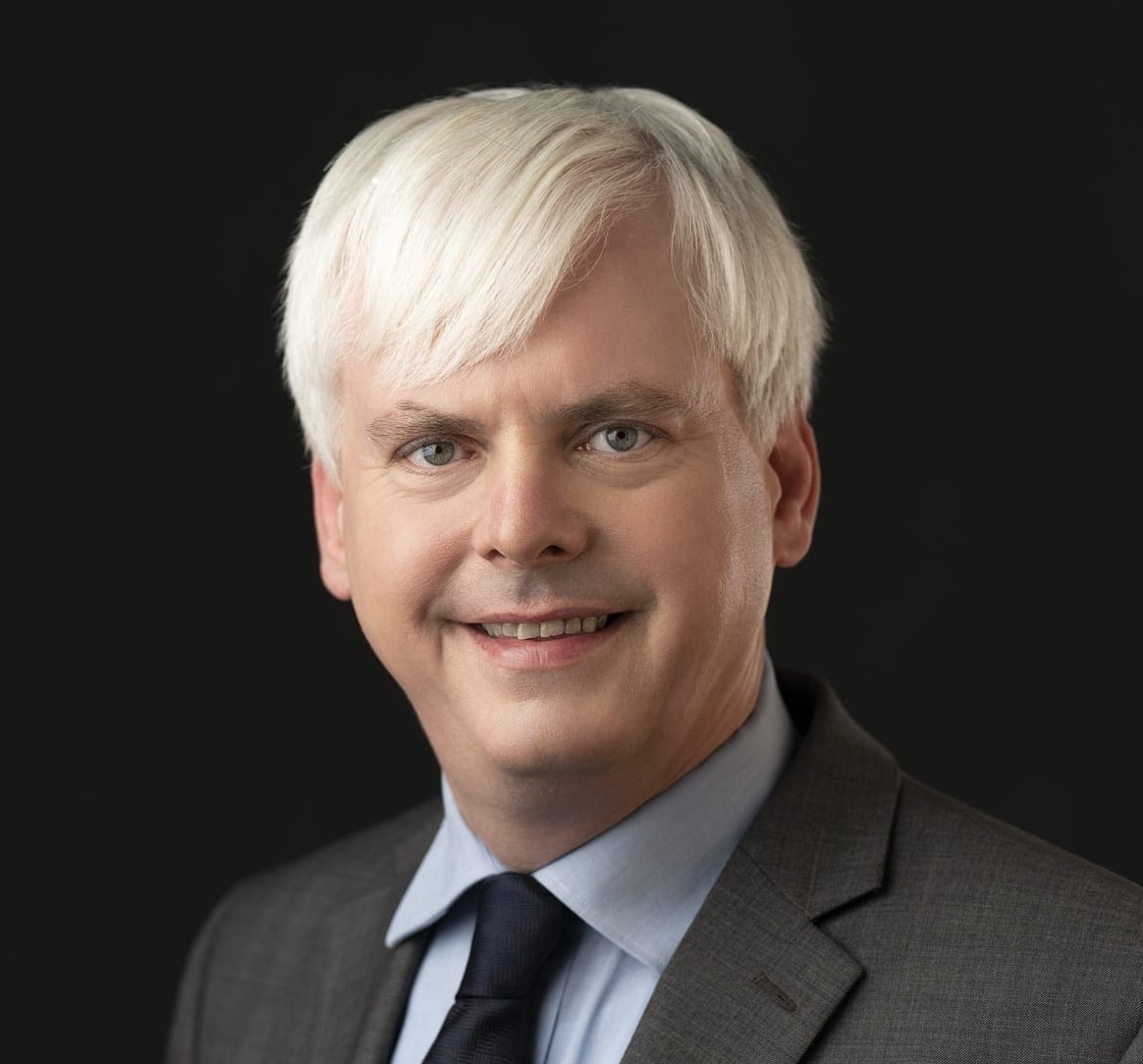
Professor of Economics
Stanford University
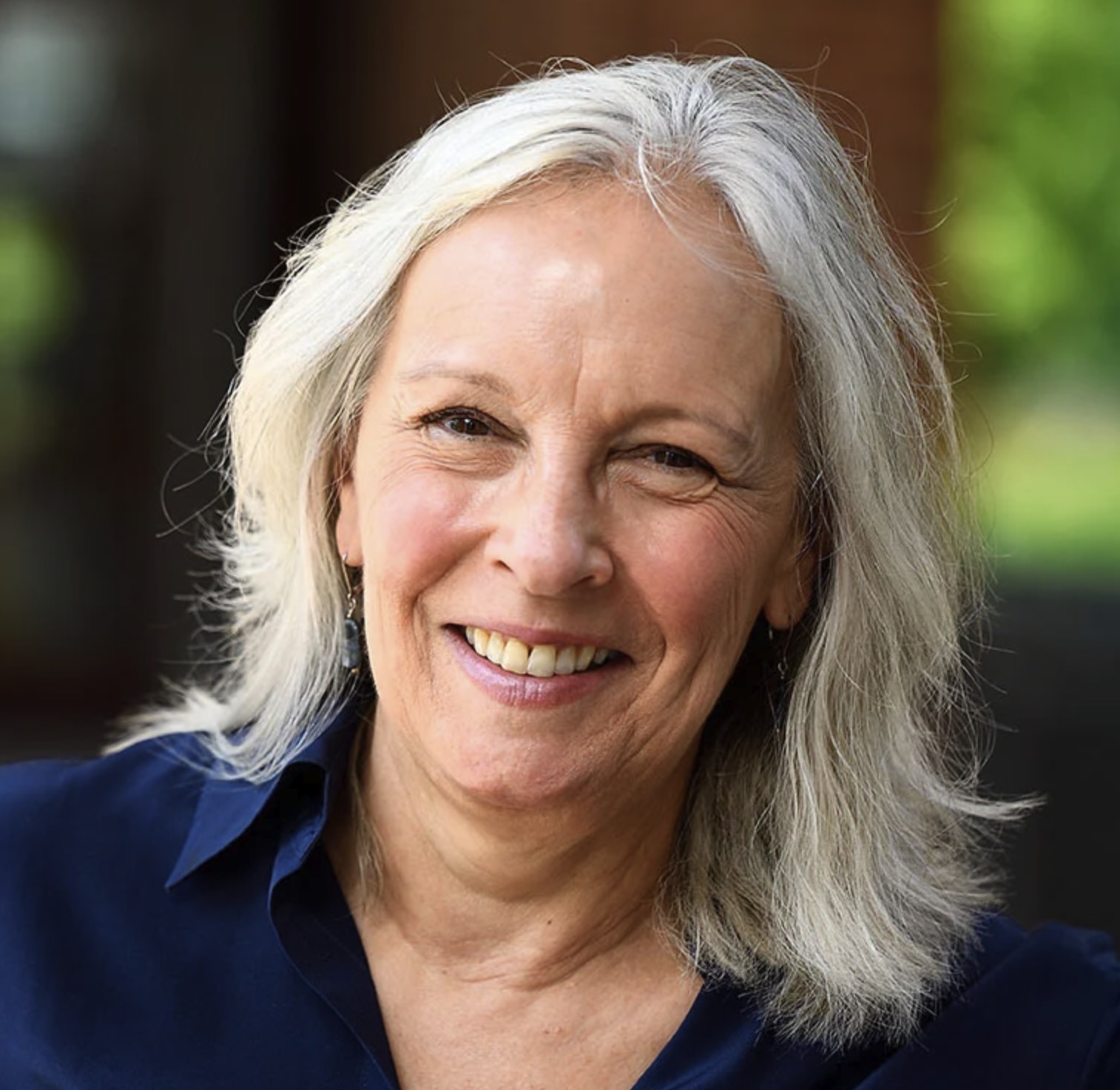
Professor of Political Science
University of Pennsylvania
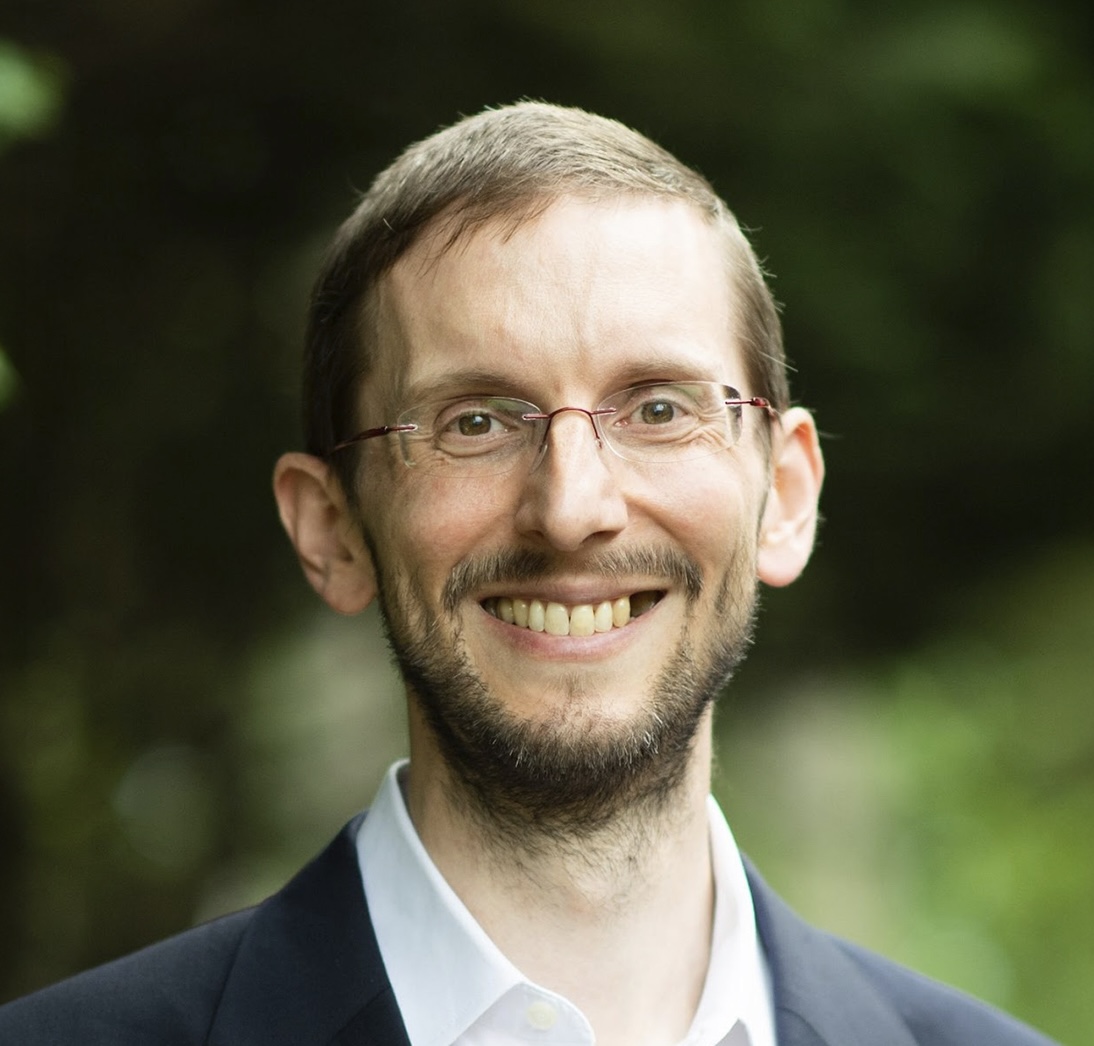
Professor of Law
University of Alabama

Professor of Economics
University of Virginia
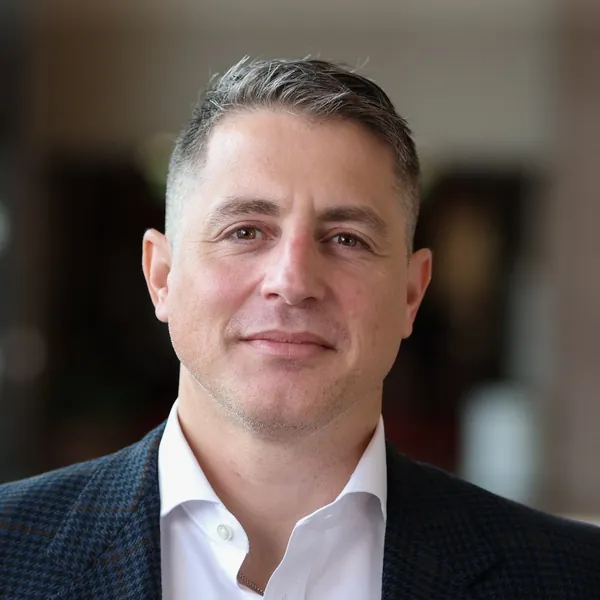
Professor of International Affairs
Johns Hopkins University
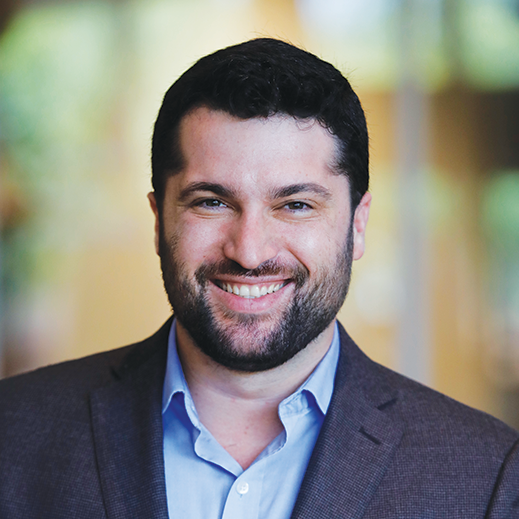
Associate Professor of Law
University of Minnesota
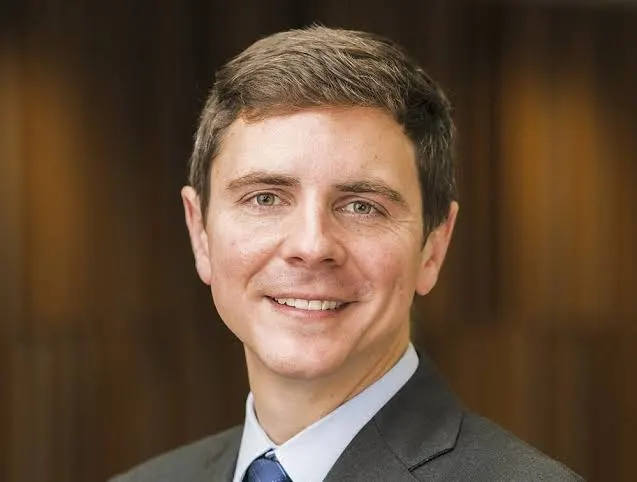
We welcome applications from scholars who meet the following criteria:
Applicants will submit a CV, writing sample, brief research proposal, and goals for the fellowship. A select number of applicants will then be invited to interview remotely, and final decisions will be communicated to all applicants by mid-April.
We are interested in novel, forward-looking research on how advanced AI may reshape social, economic, geopolitical, and legal systems, and on what institutions, policies, and governance mechanisms could help societies respond well. Within this, we are particularly excited about research directions that can yield early output on a short timeline (e.g., within 3–6 months), even if the work continues beyond the fellowship.
Given the early stage of research on the societal impacts of advanced AI, timely work can have outsized influence on how the field evolves. While we are excited for fellows to aim for projects that could eventually become publishable, we also place strong value on concrete progress and usable near-term outputs during the fellowship itself. By the end of the program, fellows should produce a substantive interim output that clearly advances their project. This could include, for example:
We also welcome non-traditional outputs when they are rigorous and useful—such as a lecture series or course designed to help others in your field engage with questions related to the societal impacts of advanced AI.
Successful candidates will be highly motivated to work on novel and frontier research questions on advanced AI, have a proven track record that suggests the ability to identify and autonomously pursue high-quality research, and have ideas for research projects that would fit well with the goals of the fellowship.
This is the first iteration of this particular fellowship, but it is building on the success of a similarly sized in-person fellowship run by CAIS in 2023 specifically for academic philosophers. This fellowship resulted in more than 25 papers, a special issue of a top journal, multiple workshops, and an upcoming book with Oxford University Press.
Rapid AI progress raises foundational questions about who benefits, who bears risk, how governments should respond, and how AI may reshape global power. We believe some of the most important insights on these questions will come from people trained to think rigorously about incentives and markets, institutions and legal systems, and international politics: economists, legal scholars, international relations researchers, and academics in adjacent disciplines.
No prior AI-related research experience is required. That said, given the fellowship’s short duration, we prefer applicants who have already given some thought to how advanced AI intersects with their discipline and what questions they might want to explore. The application includes a project proposal to help us assess what issues you’ve been thinking about and whether the fellowship is a good fit.
By default, we are not able to accommodate remote participation, though we may consider exceptions for strong candidates in exceptional circumstances.
In exceptional circumstances, we may be able to offer the flexibility to shift the fellowship dates forward or backward. By default, fellows should expect that the fellowship dates are firm, and we are only able to shift in cases where existing commitments absolutely prevent you from participating in the first/last few weeks.
CAIS will work with a third-party sponsorship organization to provide J-1 Short-Term Scholar visas for eligible participants without authorization to work in the United States.
Not by default. Fellows are expected to cover any relocation costs (except for the flights) with their stipends, but we will consider additional support based on need in exceptional circumstances.